
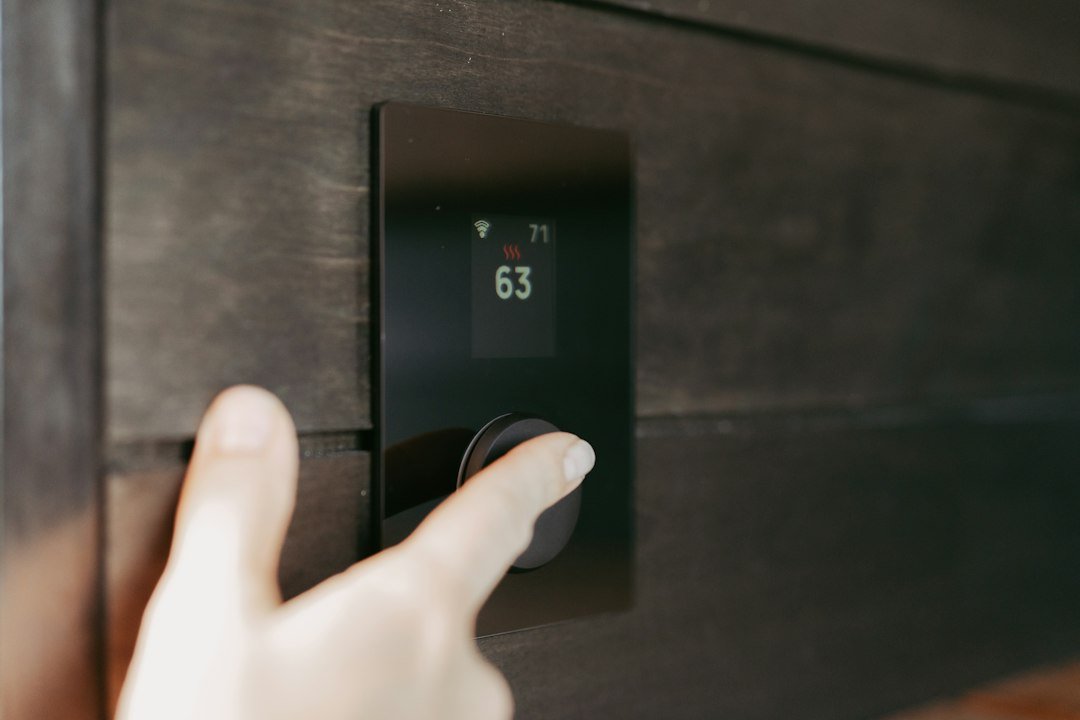
Quick picks: ecobee Smart Thermostat Premium is the strongest choice here if you want room sensors, broad 24V HVAC support and accessory control. The Nest Learning Thermostat 4th gen is the cleanest fit for Google Home and Matter, and it is designed to work without a C wire in most homes. Sensi Touch 2 is a practical option if you already have a C wire and want dedicated room sensors without a heavily platform-specific smart-home strategy. Amazon Smart Thermostat is the budget-oriented Alexa option, but its HVAC compatibility is narrower and it requires a C-wire power path.
Research disclosure: this buying guide is based on current manufacturer specifications, support documentation and compatibility guidance. WesternTechy has not hands-on tested every thermostat in this comparison. We do not rank products on installation ease, HVAC reliability or app quality beyond what current documentation supports.
Before buying: a thermostat being “smart” does not make it compatible with every HVAC system. Check the exact wiring, equipment type, heat-pump configuration, accessory terminals and power requirements first. Use our Smart Thermostat Compatibility & Safe Setup guide before ordering.
Best smart thermostats in 2026
| Pick | Power / C-wire | Room sensors | HVAC notes | Best for |
|---|---|---|---|---|
| ecobee Smart Thermostat Premium | 24VAC C wire, or included Power Extender Kit in many compatible systems | SmartSensor included | Broad 24VAC support, multistage systems, heat pumps, boilers and HVAC accessories | Multi-room comfort and more complex HVAC setups |
| Nest Learning Thermostat (4th gen) | Designed to work without a C wire in most homes; limited cases need C wire or Nest Power Connector | Nest Temperature Sensor (2nd gen) included in current bundle | Most 24V systems including gas, electric, oil, heat pump and radiant | Google Home, Matter and homes without an existing C wire |
| Sensi Touch 2 | Hardwired; current spec sheet says systems require a common wire | Sensi Room Sensor supported | Single stage, multistage and heat pump up to 4H/2C | Straightforward room-sensor comfort with conventional controls |
| Amazon Smart Thermostat | C wire required, or compatible C-wire adapter | Can use supported Echo devices and Amazon Smart Air Quality Monitor as external sensors | Air-to-air and geothermal heat pumps supported; not dual-fuel heat pumps | Budget Alexa households with compatible HVAC |
Compatibility summaries above are not substitutes for the manufacturer’s checker. A thermostat can match the general equipment type and still be wrong for a specific wiring or accessory configuration.
Best overall for room sensors and HVAC flexibility: ecobee Smart Thermostat Premium
ecobee Smart Thermostat Premium is the strongest choice in this group when the thermostat is part of a broader HVAC comfort system rather than just an app-controlled wall control.
ecobee’s current specifications list support for most 24VAC HVAC equipment, including conventional furnaces and air conditioners up to 2H/2C, heat pumps with auxiliary heat, boilers, and some PTAC or fan-coil systems. It also supports one 1-wire or one 2-wire accessory for equipment such as humidifiers, dehumidifiers, HRVs and ERVs.
The Premium includes a SmartSensor in the box. That sensor reports temperature and occupancy, so you can prioritize or average rooms depending on the comfort logic you configure.
ecobee also includes built-in temperature, humidity, occupancy and proximity sensing at the thermostat itself, plus an indoor air-quality monitor.
Why choose ecobee Premium
- SmartSensor included
- Broad 24VAC HVAC compatibility
- Support for humidifier, dehumidifier and ventilation accessories
- Included Power Extender Kit for many compatible no-C-wire installations
- Apple HomeKit, Alexa, SmartThings and IFTTT support
- Dual-band Wi-Fi
- 3-year limited warranty
What to know about the C wire
ecobee prefers dedicated 24VAC power through C and Rc. If the existing thermostat cable lacks a C wire, the included Power Extender Kit can solve that problem in many compatible systems.
That does not mean the Power Extender Kit works everywhere. ecobee documents exceptions, including some dual-transformer and heat-only arrangements. Run the compatibility checker before assuming the PEK solves your wiring.
Room sensors are not HVAC zoning
The included SmartSensor can help the thermostat pay attention to the room you actually use. It cannot independently send conditioned air to one room unless the HVAC system itself has zoning hardware.
Read Smart Thermostat Room Sensors for the difference between averaging, priority rooms and true zoning.
Manufacturer sources: ecobee Smart Thermostat Premium specifications and ecobee Power Extender Kit guidance.
Best for Google Home and Matter: Nest Learning Thermostat 4th gen
The fourth-generation Nest Learning Thermostat is the most direct choice here if Google Home and Matter are central to the household.
Google’s current specifications say the thermostat works with most 24V systems, including gas, electric, oil, forced air, heat pumps and radiant systems. It supports up to three stages of heating and cooling in supported configurations and includes terminals for accessories such as humidification, dehumidification and ventilation, subject to connector limits.
The current product bundle includes a second-generation Nest Temperature Sensor, and the thermostat itself includes temperature, humidity, ambient-light and Soli motion sensing.
Why choose Nest Learning Thermostat 4th gen
- Works with Google Home and Matter
- Designed to operate without a C wire in most homes
- Nest Temperature Sensor (2nd gen) included in the current bundle
- Broad 24V HVAC compatibility
- Supports many multistage heat-pump and conventional configurations
- ENERGY STAR certified
C-wire advantage, with an important qualification
Google says the fourth-generation Nest Learning Thermostat is designed to work whether or not the home has a common wire. In limited cases, a C wire or Nest Power Connector is still necessary.
That can make Nest attractive in older homes where pulling a new thermostat cable would be inconvenient, but do not buy based on the absence of a visible C wire alone. Use Google’s compatibility checker with the exact wiring.
Matter does not replace HVAC compatibility
Matter makes the thermostat easier to expose to compatible smart-home platforms. It does not solve electrical power, HVAC staging or equipment-control requirements.
The thermostat still has to be a correct match for the heating and cooling system before the smart-home integration matters.
Manufacturer source: Google Nest Learning Thermostat 4th gen specifications.
Best straightforward room-sensor option: Sensi Touch 2
Sensi Touch 2 is a sensible choice when you want a conventional-looking smart thermostat, dedicated room sensors and clear HVAC specifications without making a broad smart-home ecosystem the center of the purchase.
Copeland’s current Sensi Touch 2 specifications list support for single-stage 1H/1C, multistage 2H/2C and heat-pump systems up to 4H/2C. It also supports optional indoor and outdoor sensors.
Sensi Room Sensors are currently compatible with Touch 2 models and can be used to average temperatures or prioritize rooms.
Why choose Sensi Touch 2
- Dedicated Sensi Room Sensor support
- Single-stage, multistage and heat-pump support
- 7-day scheduling and geofencing options
- Indoor and outdoor sensor options
- 3-year warranty
- Clear manufacturer documentation for HVAC applications
The C-wire requirement is the main pre-purchase check
The current Sensi Touch 2 retail spec sheet states that supported systems require a common wire. That makes this a less forgiving retrofit than thermostats designed to power-share in many no-C-wire installations.
If there is no C wire at the thermostat, do not assume you can simply repurpose another conductor. Check the HVAC system and the manufacturer’s current installation options first.
Room sensors can smooth uneven rooms, not fix ductwork
Sensi says its room sensors can average temperature across sensors or prioritize an important room. That can improve comfort when the wall thermostat is in an unrepresentative location.
It does not create independent duct zones. Persistent room-to-room imbalance may still be an airflow, insulation or HVAC-distribution problem.
Manufacturer sources: Sensi Touch 2 specifications and Sensi Room Sensor.
Best budget Alexa option: Amazon Smart Thermostat
Amazon Smart Thermostat makes the most sense for an Alexa-centered household that has compatible HVAC and wants the thermostat integrated directly into Alexa routines and automatic control.
The important trade-off is compatibility. Amazon’s current support documentation says the thermostat requires a C/common-wire power path, although a compatible C-wire adapter may be used in some installations.
Amazon also states that the thermostat works with air-to-air and geothermal heat pumps but does not support heat pumps with a backup gas or oil furnace, commonly called dual-fuel systems.
Why choose Amazon Smart Thermostat
- Direct Alexa integration
- Alexa routines and automatic sleep/away control
- External temperature sensing through supported Echo devices and Amazon Smart Air Quality Monitor
- Can use up to 10 supported external temperature sensors
- Good fit when the home already uses compatible Echo hardware
External sensors work differently from dedicated thermostat sensors
Amazon currently allows certain Echo devices and the Amazon Smart Air Quality Monitor to provide external temperature readings to the Smart Thermostat. When multiple selected sensors are used, Alexa can control around their average temperature.
That is convenient if compatible Echo hardware already exists in the rooms that matter. It is a different architecture from buying purpose-built thermostat room sensors.
Compatibility is narrower than the other picks
The Amazon Smart Thermostat should not be treated as a universal low-cost replacement. The C-wire requirement and dual-fuel limitation need to be checked before price becomes part of the decision.
Manufacturer sources: Amazon HVAC compatibility guidance and Amazon external temperature sensor setup.
Which thermostat is best if you do not have a C wire?
Start with Nest Learning Thermostat 4th gen or ecobee Premium, but for different reasons.
Google says the Nest Learning Thermostat 4th gen is designed to work without a C wire in most homes, with a C wire or Nest Power Connector needed only in limited cases.
ecobee Premium is designed around dedicated 24VAC power, but the included Power Extender Kit can create a compatible power path in many systems where the thermostat cable lacks a C conductor.
Sensi Touch 2’s current spec sheet requires a common wire. Amazon Smart Thermostat also requires a C-wire power path or compatible adapter.
Do not choose by wire count alone. Equipment type and control-board wiring still matter.
Which thermostat is best for room sensors?
ecobee Premium is the strongest ready-to-use option because a SmartSensor is included and the ecosystem is built around room occupancy and temperature sensing.
Nest Learning Thermostat 4th gen also includes a second-generation Nest Temperature Sensor in the current bundle and can use selected sensors as part of temperature control.
Sensi Touch 2 supports dedicated Sensi Room Sensors and is a good fit if you want a simpler thermostat architecture with room averaging or priority.
Amazon Smart Thermostat can use supported Echo hardware or Amazon’s Smart Air Quality Monitor as temperature sensors, which can be cost-effective if those devices are already in the home.
Which thermostat is best for heat pumps?
Do not make this decision from a generic “works with heat pumps” badge.
Check:
- number of compressor stages
- auxiliary or emergency heat stages
- whether the system is dual fuel
- O/B reversing-valve requirements
- outdoor sensor or balance-point logic
- accessory equipment
Nest 4th gen publishes support for up to three heat-pump stages with auxiliary/alternate and emergency heat in supported wiring configurations.
ecobee Premium supports heat pumps and dual-fuel systems in many 24VAC arrangements, but exact staging and accessory wiring still need checking.
Sensi Touch 2 lists heat-pump support up to 4H/2C.
Amazon specifically excludes heat pumps with backup gas or oil furnaces, so dual-fuel owners should not assume compatibility.
Do not buy a thermostat because of the app first
The thermostat’s most important job is controlling HVAC equipment safely and predictably.
Prioritize in this order:
- HVAC compatibility
- power and wiring
- required room sensors or accessories
- manual wall operation
- smart-home ecosystem
- automation features
A thermostat with the perfect app is a bad purchase if it cannot correctly control the equipment.
Room sensors do not make a single-zone system multi-zone
A remote sensor can change which temperature the thermostat responds to, or contribute to an average. It does not independently open and close ordinary ducts.
If the bedroom is four degrees warmer than the hallway, making the bedroom sensor active may keep cooling running longer. The rest of the same HVAC zone may become cooler while that happens.
For the full explanation, read Smart Thermostat Room Sensors: Averaging, Priority Rooms and Why They Are Not HVAC Zoning.
What we would choose for different homes
| Home / priority | Shortlist | Why |
|---|---|---|
| Multiple important rooms | ecobee Premium | SmartSensor included and strong room-sensor ecosystem |
| Google Home / Matter household | Nest Learning Thermostat 4th gen | Native Google Home and Matter support |
| No visible C wire | Nest 4th gen or ecobee Premium | Power-sharing approach or included PEK may avoid pulling a new thermostat conductor in compatible systems |
| Simple dedicated room sensors | Sensi Touch 2 | Purpose-built Sensi room sensors with averaging / priority use |
| Alexa household on compatible HVAC | Amazon Smart Thermostat | Alexa routines and supported Echo temperature sensors |
| Dual-fuel heat pump | ecobee or another explicitly compatible thermostat | Amazon excludes dual-fuel heat-pump systems; exact compatibility must be checked |
Before you buy: thermostat checklist
- Identify the HVAC system. Conventional, heat pump, boiler, radiant, dual fuel or another design.
- Photograph and label existing thermostat wiring. Do not disconnect wires before you know what the terminals mean.
- Check the C-wire requirement. A missing C wire is not solved the same way by every thermostat.
- Check staging. Confirm heating, cooling, auxiliary and emergency stages.
- Check accessories. Humidifier, dehumidifier and ventilator controls can narrow the choices.
- Check room-sensor behavior. Averaging, priority and occupancy logic differ by platform.
- Check utility-program enrollment separately. Rebates and demand-response permissions are not the same as thermostat ownership.
Use the Smart Home Compatibility Matrix to record the exact thermostat, HVAC and platform checks before purchase.
Related WesternTechy guides and resources
- Smart Home Climate & Comfort hub
- Smart Thermostat Compatibility & Safe Setup
- Smart Thermostat Room Sensors
- Smart Home Humidity & Air Quality Sensors
- Smart Thermostat Utility Programs
- Smart Home Compatibility Matrix
Sources and editorial method
WesternTechy used current manufacturer specifications and support documentation for the comparison. Prices are intentionally not used as the deciding factor because sales, utility rebates and regional pricing change frequently.
- ecobee Smart Thermostat Premium
- ecobee Power Extender Kit guidance
- Google Nest Learning Thermostat 4th gen specs
- Sensi Touch 2
- Sensi Room Sensor
- Amazon Smart Thermostat HVAC compatibility
- Amazon external temperature sensors
Thermostat firmware, HVAC compatibility and accessory support can change. Run the manufacturer’s current compatibility checker for the exact model and wiring before purchase or installation.