
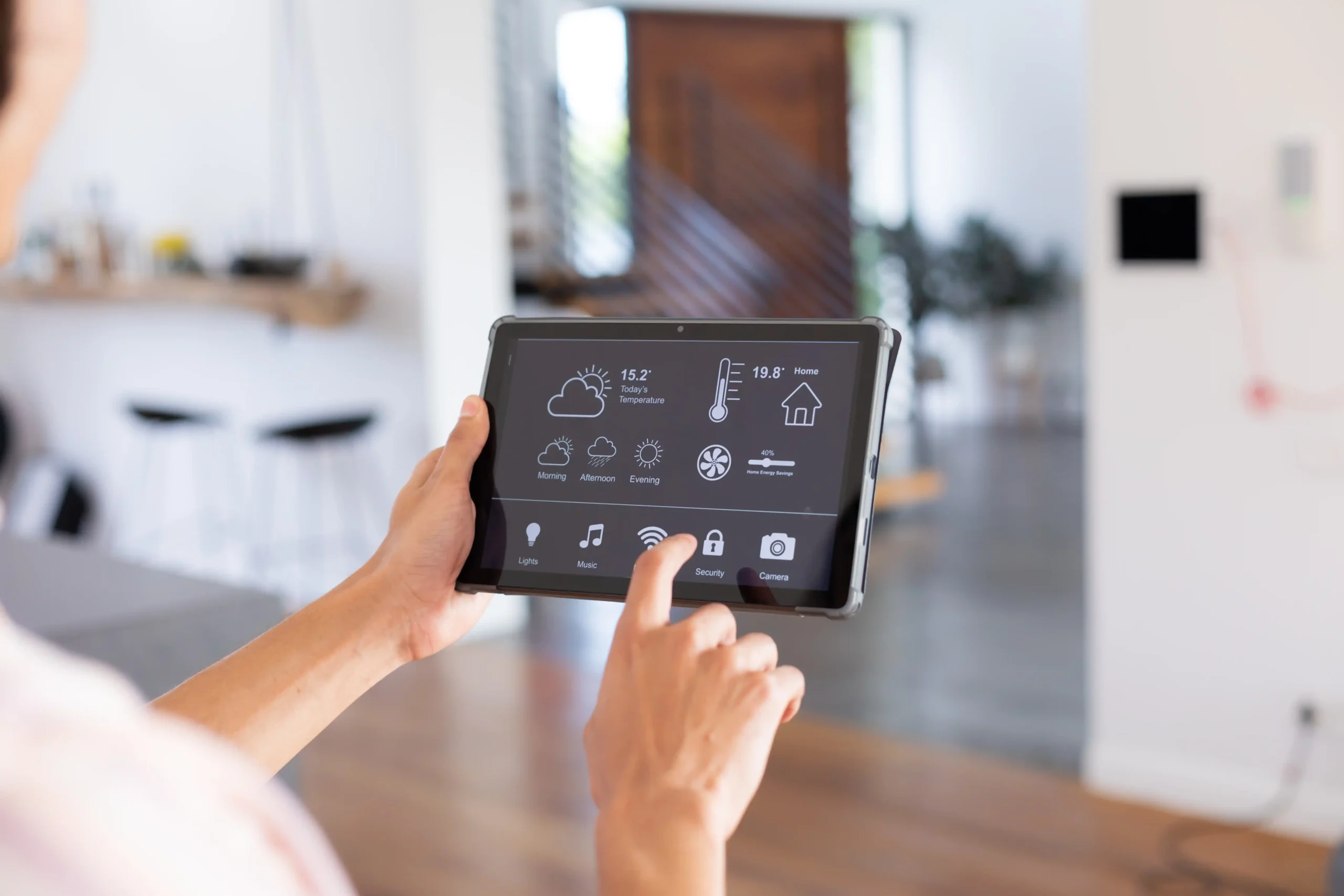
A practical cost guide for homeowners, renters, and anyone planning a connected home
Smart home installation cost usually falls between $200 and $1,525, with most homeowners spending about $797. A basic setup can cost as little as $65 if you only want a single device or a starter kit, while a professionally installed whole-home system can run $4,000 or more. In high-end homes, fully customized automation can reach $10,000 to $150,000 depending on scope, wiring, and brand.
The exact price depends on what you want to automate. A smart speaker and a few lights are a very different project from a full home system that controls security, climate, lighting, entertainment, and water use. Labor, wiring, home size, device quality, and ongoing subscriptions all affect the final bill.
Quick cost summary
| System type | Typical cost |
| Basic DIY setup | $65 to $1,500 |
| Mid-range connected home | $2,000 to $6,000 |
| Professionally installed whole-home system | $2,500 to $10,000+ |
| Luxury custom automation | $10,000 to $150,000 |
Labor for installation is often charged at about $50 to $150 per hour, with many sources landing around $80 to $100 per hour for professional work. Wireless systems are usually cheaper to install than hardwired systems.
What affects smart home installation cost?
Several factors can raise or lower the total cost of your smart home project.
Type of system
A basic system may include just one device, such as a smart thermostat, speaker, or light. Mid-range packages add several devices like cameras, lights, a hub, and a smart lock. Advanced setups connect lighting, HVAC, security, entertainment, and power management across the whole home.
Home size
The bigger the home, the more devices you need. A small apartment may only need a few smart products, while a large house may need multiple hubs, sensors, cameras, switches, and access points to keep everything connected.
Device selection
Entry-level brands are cheaper, but premium products often offer better features, better integration, and longer-term reliability. Device choice can change your budget very fast.
Labor and installation
Professional installation makes more sense for larger systems or wired setups. Wireless systems are generally faster and cheaper to install. Hardwired systems take more time and often require an electrician or home automation specialist.
Wiring and protocol
Smart devices need to speak the same language. That language is called a protocol. If the devices are not compatible, they will not work together properly.
Prep work and site readiness
Some homes need electrical upgrades, improved Wi-Fi coverage, wall patching, or old device removal before installation begins.
Ongoing costs
Smart home installation is not always a one-time purchase. You may also pay for security monitoring, cloud storage, battery replacements, firmware updates, device repairs, and internet upgrades.
Smart home installation cost by category
The easiest way to budget is to look at the part of the home you want to automate first.
| Category | Typical cost | Common examples |
| Smart security | $700 to $5,000 | Cameras, doorbell cameras, locks, alarms, motion sensors |
| Smart lighting | $1,000 to $3,000 | Smart bulbs, switches, dimmers, lamps |
| Smart thermostats and climate control | $800 to $2,000 | Learning thermostats, smart fans, HVAC integration |
| Smart entertainment | $30 to $2,000 | Speakers, streaming devices, central control |
| Smart power usage | $1,130 to $3,750 | Plugs, outlets, power monitoring |
| Smart lawn and garden | $200 to $500 | Water sensors, smart pots, sprinkler systems |
DIY vs professional installation
DIY installation
DIY is the cheapest route. It works well for simple wireless systems and is a good option if you are comfortable reading setup instructions and pairing devices.
Pros: lower cost, more control over device selection, and easy expansion over time.
Cons: more setup time, more risk of compatibility issues, and frustration when devices do not sync properly.
Professional installation
Professional installation costs more, but it is usually worth it for larger systems or wired setups.
Pros: cleaner setup, better compatibility handling, less stress, and better results for whole-home automation.
Cons: higher cost, scheduling needs, and labor charges that can add up quickly.
How much does a complete smart home cost?
A complete smart home can mean very different things depending on the brand and level of automation. A modest complete system may cost around $2,000 to $4,000. A more advanced connected home can cost $5,000 to $10,000+.
High-end custom installations can reach $20,000, $50,000, or even more.
How to keep smart home installation costs under control
- Start with one room or one function, such as lighting or security.
- Buy devices that work with the same ecosystem so you avoid compatibility problems.
- Use wireless devices first if your home does not need hardwired control.
- Compare quotes from multiple installers.
- Prioritize devices with the highest value, like a smart thermostat or smart lock.
- Look for bundles instead of buying everything separately.
- Choose scalable systems so you can expand later.
- Check for rebates or energy-saving incentives.
Frequently asked questions
How much does smart home installation cost on average?
Most homeowners spend around $797, with a typical range of $200 to $1,525.
What is the cheapest way to start a smart home?
A single smart speaker, thermostat, bulb, or plug is the cheapest way to begin. Basic starter setups may cost around $65+.
Is professional smart home installation worth it?
Yes, especially for wired systems, whole-home setups, or advanced automation. Professional installation reduces compatibility issues and saves time.
Do smart home systems have monthly fees?
Some do. Security monitoring, cloud storage, and app-based services may require subscriptions.
Can smart home devices work together from different brands?
Sometimes yes, but not always. Compatibility is one of the most important things to check before buying.
Final thoughts
Smart home installation cost depends on how ambitious you want to be. A simple DIY setup can stay under a few hundred dollars, while a fully integrated whole-home system can run into the thousands. For most homeowners, the best approach is to start small, choose compatible devices, and expand over time.
If you focus on the features that matter most, smart home automation can improve comfort, security, and convenience without blowing your budget.